
Why I Chose Next.js 15 for My E-commerce Website
When I decided to build my e-commerce website, I didn’t just want to build another CRUD application.
I wanted to build something that reflected how modern production systems are actually built.
That’s why I chose Next.js 15.
This post explains:
- What problem did I want to solve
- Why Next.js 15 made sense
- The trade-offs I considered
- What I learned along the way
🚀 The Problem I Wanted to Solve
Most beginner e-commerce projects:
- Use basic client-side React
- Fetch data inefficiently
- Have poor SEO
- Struggle with performance
But real-world e-commerce systems need:
- Fast initial load times
- SEO optimisation
- Secure server-side logic
- Scalable architecture
- Clean separation between UI and data
I wanted my project to reflect production-level thinking — not just something that “works.”
⚡ Why I Chose Next.js 15
1️⃣ Full-Stack Capabilities in One Framework

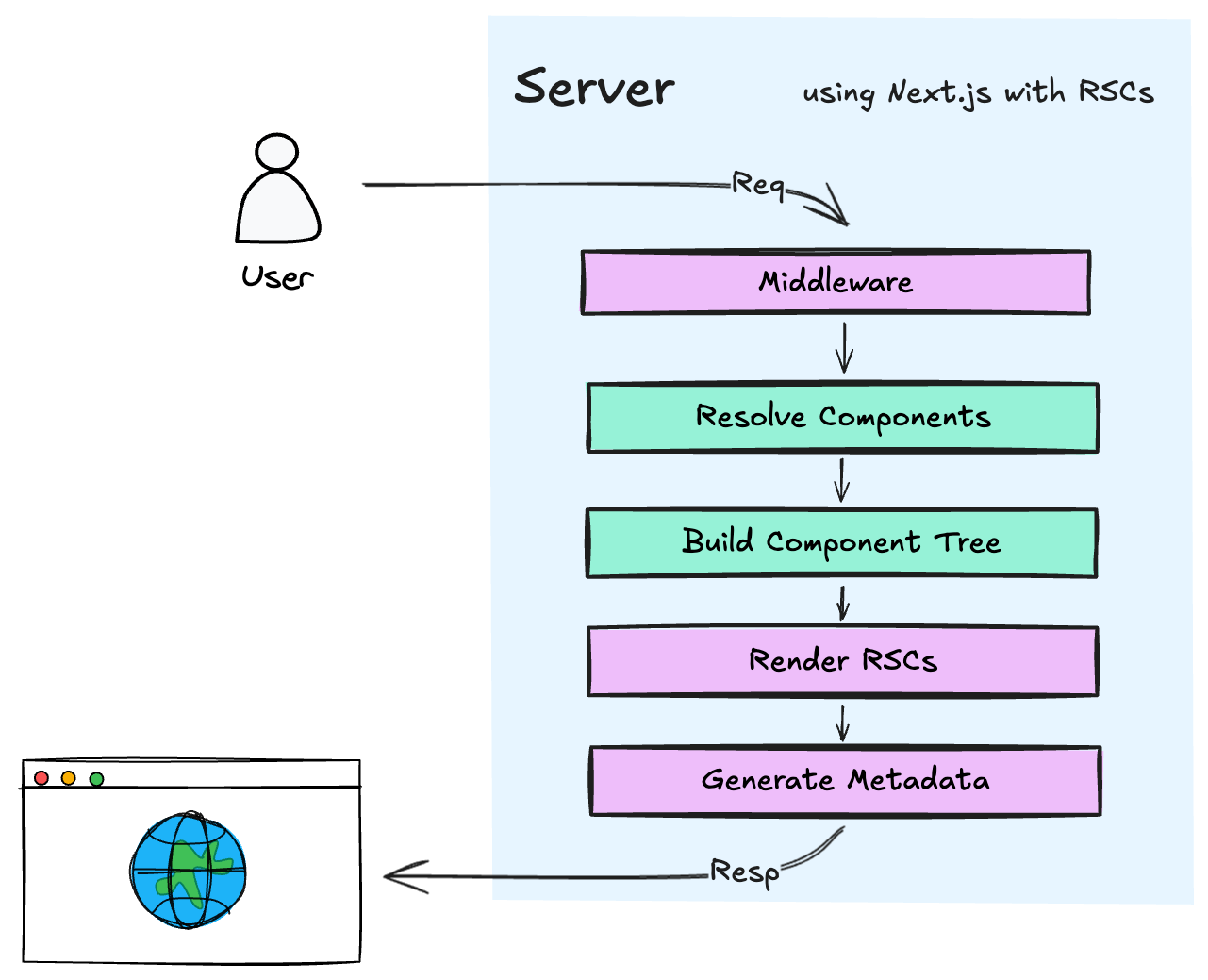
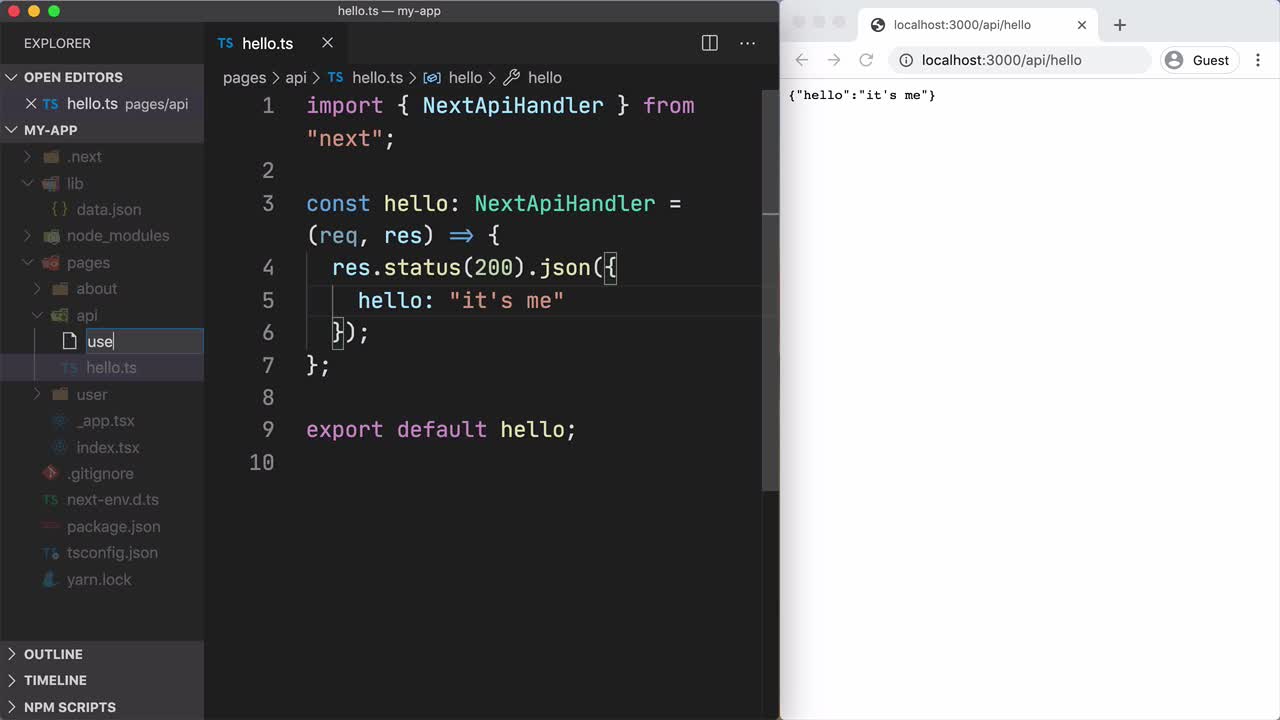
4
Next.js 15 allowed me to:
- Build frontend and backend in one codebase
- Use API routes for server-side logic
- Implement authentication and Stripe integration
- Keep everything structured with the App Router
Instead of managing separate frontend and backend repos, I could build a unified full-stack application.
As someone interested in scalable systems and cloud architecture, this approach made a lot of sense.
2️⃣ React Server Components (Performance Matters)
One of the biggest reasons I chose Next.js 15 was support for React Server Components.
With Server Components:
- Data fetching happens on the server
- Less JavaScript is sent to the browser
- Initial page loads are faster
- Performance improves without extra libraries
For an e-commerce website, performance directly affects:
- User experience
- Conversion rates
- SEO ranking
This pushed me to think beyond “it works” and into “is this production-ready?”
3️⃣ Built-In SEO Optimisation

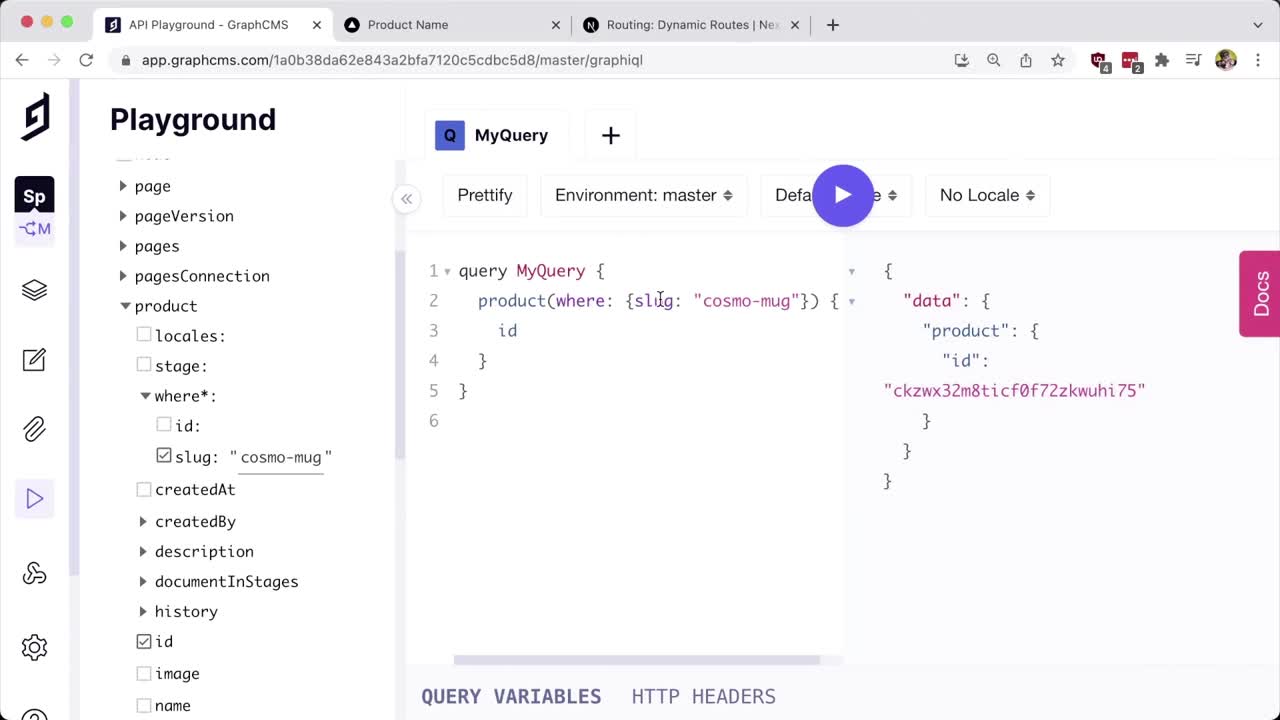

4
Unlike traditional React SPAs, Next.js gives:
- Server-side rendering (SSR)
- Static site generation (SSG)
- Dynamic metadata handling
For product pages like:
/product/[slug]
I could generate dynamic SEO metadata for each product.
This mimics how real-world platforms like Amazon and Shopify structure their product pages for search engines.
4️⃣ Built-In API Routes (Clean Architecture)
Instead of creating a completely separate backend, I used Next.js API routes for:
- Order processing
- Stripe webhook handling
- Admin operations
- Authentication logic
This taught me an important architectural lesson:
Good architecture isn’t about complexity.
It’s about choosing the right abstraction level for the problem.
For a portfolio project, Next.js provided the right balance between simplicity and production realism.
5️⃣ Modern Ecosystem Compatibility
Next.js 15 integrates well with:
- Prisma ORM
- PostgreSQL
- Stripe
- Authentication libraries
- Deployment platforms like Vercel
This allowed me to practice real-world deployment workflows — something I care deeply about as I move toward cloud and DevOps engineering.
🧠 Trade-Offs I Considered
Choosing Next.js 15 wasn’t without challenges.
I encountered:
- TypeScript type errors
- Server vs client component confusion
- Breaking changes between versions
- Security patch updates (like recent React Server Component vulnerabilities)
Instead of seeing these as blockers, I treated them as learning opportunities.
Debugging build failures and dependency conflicts improved my understanding of:
- Node.js runtime environments
- Build pipelines
- Production security concerns
- Version management
These are lessons you don’t learn from tutorials — only from building.
📈 What I Learned From This Decision
Building this project with Next.js 15 taught me:
- How to think about performance early
- How SEO works in real-world applications
- How server-side rendering differs from client-side rendering
- How to handle production build failures
- How architecture decisions affect scalability
Most importantly:
The framework you choose influences how you think as a developer.
Next.js pushed me to think in terms of:
- Server boundaries
- Data flow
- Performance optimisation
- Deployment strategy
🎯 Final Thoughts
I didn’t choose Next.js 15 because it was trendy.
I chose it because it forced me to build like a production engineer.
As someone pursuing a career in software development and cloud engineering, I want my projects to demonstrate:
- Technical depth
- Architectural awareness
- Real-world tooling
- Deployment readiness
This e-commerce project wasn’t just about selling products.
It was about learning how modern web systems are designed.
And Next.js 15 helped me do exactly that.
